This page is not in English yet. Read in Romanian
Heritage · Dobruja

Fortresses and monuments of Dobruja

Tomis, Callatis, Histria — fortresses that lasted centuries. From Greek colonies to Roman forts, Dobruja is Romania’s richest archaeological land.

16 fortresses
10 monuments
2.700 years of walls

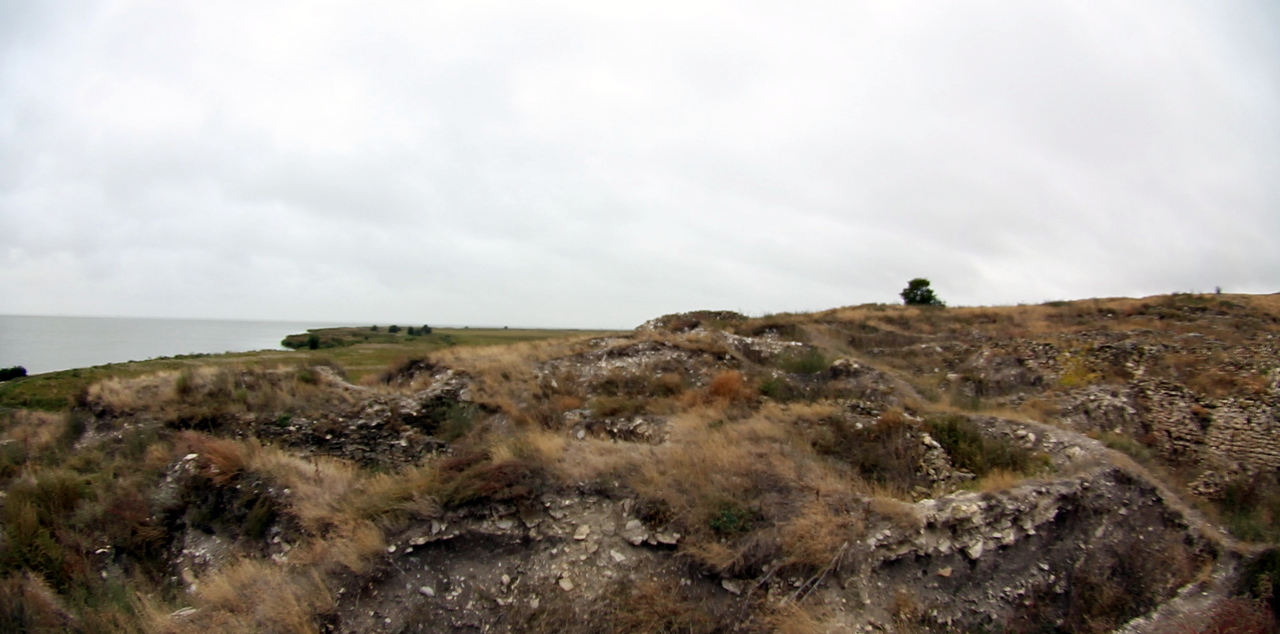
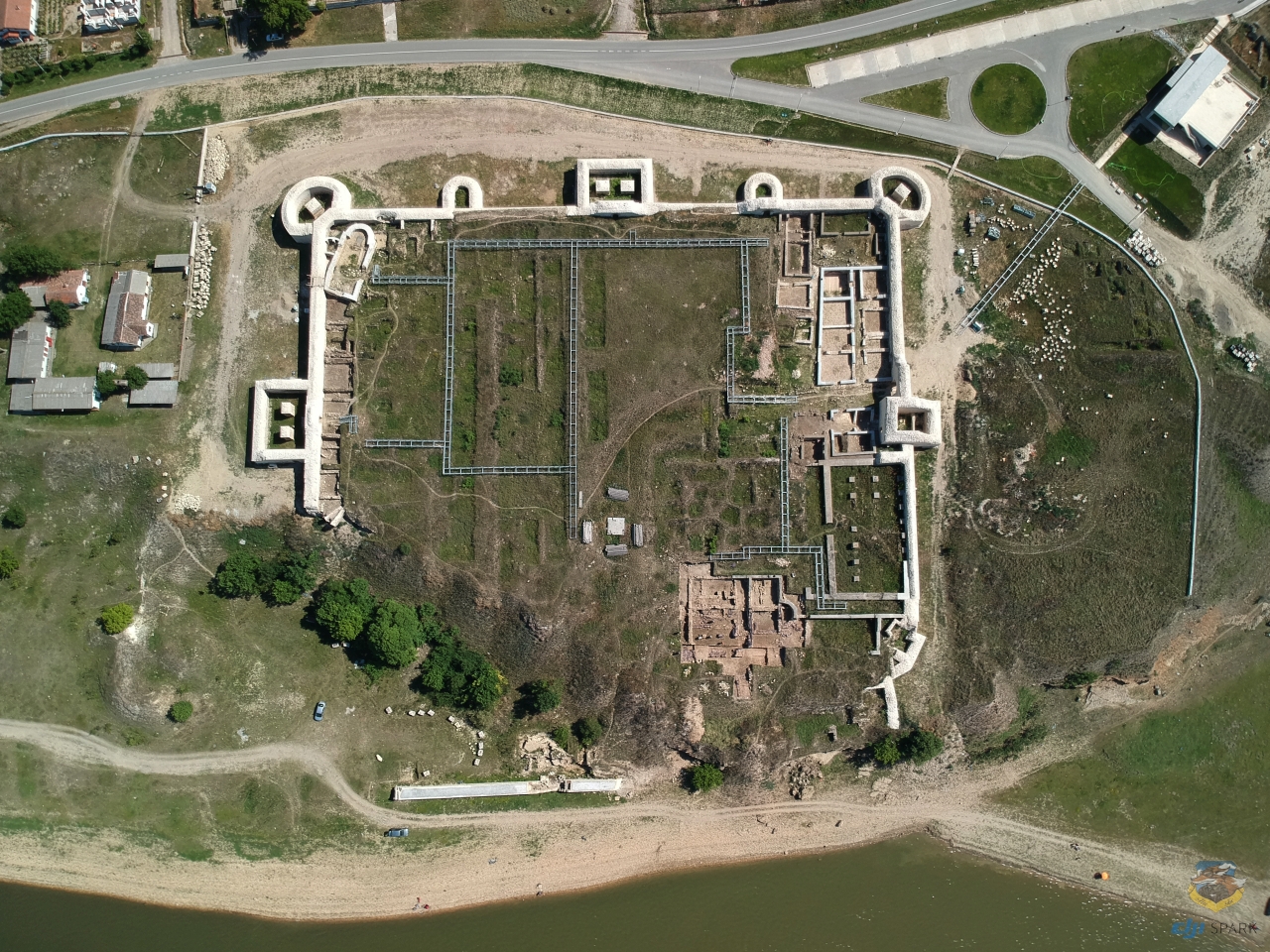
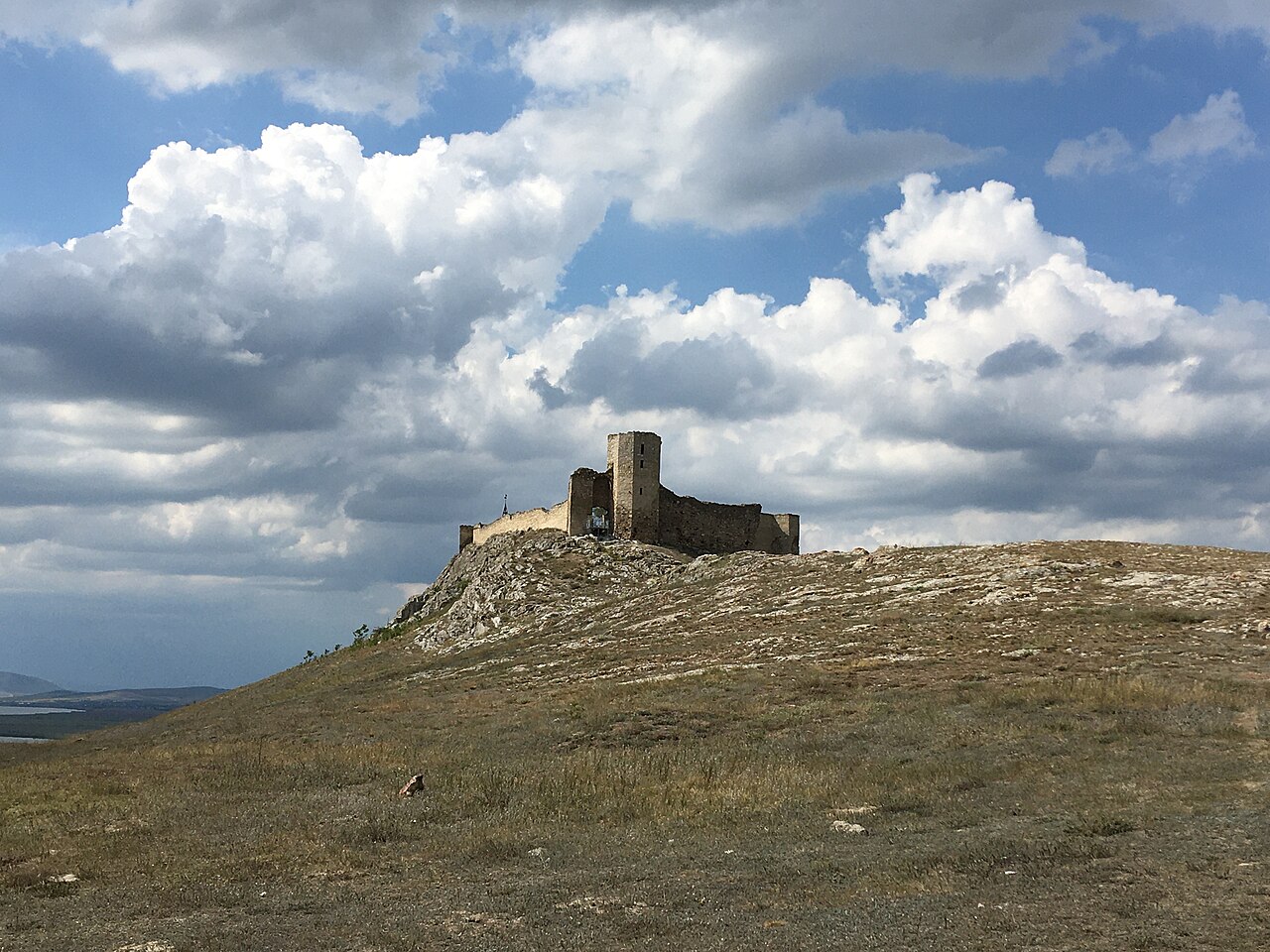
Photo Histria: Mv ank · Wikimedia Commons · CC BY-SA 3.0; Photo Tropaeum Traiani: Jgabios · Wikimedia Commons · CC BY-SA 3.0; Photo Enisala: CrisNYCa · Wikimedia Commons · CC BY-SA 4.0

Landmarks on the map

Pins open the place sheets for Dobruja’s fortresses.

16 fortresses, 16 lessons in endurance

Each fortress of Dobruja was built with a clear purpose and lasted because it was well built. Open “Full history” for the story, timeline and visit tips.

Greek colonies

Greek colony · 6th century BC

Tomis

Tomis · Constantiana · Constanța to-mis

Beneath today's Constanța

Metropolis of the Left Pontus. Ovidius served his exile here. Under Constanța streets: walls, basilicas, the Roman Mosaic Building. Tomis never died. It became Constanța.

Place sheet
Greek colony · 6th century BC

Callatis

Callatis · Mangalia cal-la-tis

Beneath today's Mangalia

Dorian colony of Heraclea Pontica. Known for grain and for its laws. Romania’s only papyrus tomb turned up here. Ancient walls still sit in Mangalia centre.

Place sheet
Argamum Greek colony · 7th century BC

Photo: Alexandra Tămaș · Wikimedia Commons · CC BY-SA 3.0 ro

Argamum

Orgame · Argamum ar-ga-mum

Cape Doloșman, near Jurilovca, Tulcea county

First settlement on Romanian ground named in an ancient source. It sits on the Doloșman cliffs above Razim. In Greek times the lagoon was an open gulf — a port toward the Danube mouths.

Place sheet

Roman fortifications

Capidava Roman fort · 1st century AD

Photo: Rotaru Florin · Wikimedia Commons · CC BY-SA 4.0

Capidava

Capidava — vadul de la cotitură ca-pi-da-va

On the Danube bank, between Hârșova and Cernavodă

Fort that watched a Getic Danube ford. Thick walls sit above the water. Photogenic: the river runs right under them.

Place sheet
Carsium Roman fort · 103 AD

Photo: Leontin l · Wikimedia Commons · CC BY-SA 4.0

Carsium

Carsium · Hârșova car-si-um

Beneath today's Hârșova

Raised by Trajan on limestone cliffs above the Danube, Carsium controlled an essential river ford for nearly two millennia. The commander's tower and enclosure walls are still visible today above Hârșova port.

Place sheet
Noviodunum Roman fortress · 1st century AD

Photo: Mixolidic · Wikimedia Commons · CC BY-SA 3.0

Noviodunum

Isaccea, Tulcea county

Base of the Lower Danube Roman fleet, Classis Flavia Moesica. Here the river has the most important ford in northern Dobrogea, crossed by Darius's Persians, Goths, and Sviatoslav's Russians. The fortress was inhabited almost without interruption until Ottoman times.

Place sheet
Halmyris Roman fortress · 1st century AD

Photo: Cucospetrudaniel · Wikimedia Commons · CC BY-SA 3.0 ro

Halmyris

Murighiol, Tulcea county

The last great fortress on the Sfântu Gheorghe branch, where the Danube met the sea in antiquity. In the basilica crypt were discovered the relics of martyrs Epictet and Astion, killed in 290 AD, the oldest attested Christian martyrs on Romanian territory.

Place sheet
Dinogetia Roman-Byzantine fortress · 1st–12th century

Photo: Cipriansandu · Wikimedia Commons · CC BY-SA 3.0 ro

Dinogetia

Garvăn, Tulcea county

Fortress on the rocky island at the Danube bend, facing today's Galați. Horseshoe-shaped tower walls survive in places up to 3 metres high, and the late Byzantine settlement left one of the country's richest medieval collections.

Place sheet
Roman fort · 2nd century AD

Ulmetum

Pantelimon, Constanța county

Fort in the heart of Dobrogea, at the crossroads of Roman roads between Danube and sea. Studied by Vasile Pârvan in the early 20th century, it shows what rural Roman life looked like far from ports and the river.

Place sheet
Roman fort · 1st century AD

Troesmis

Turcoaia, Tulcea county

Roman fort at Turcoaia, on the Danube bank, defended the northern Danube limes for centuries. Wall and tower ruins are visible from the road to Măcin, with the river a few hundred metres away.

Place sheet
Aegyssus Roman fortress · 1st century AD

Photo: Radu Filep · Wikimedia Commons · CC BY-SA 3.0 ro

Aegyssus

Beneath today's Tulcea

Geto-Roman fortress at the Delta gate. Beneath modern Tulcea lie walls, Roman buildings, and the imprint of a port city that controlled the Danube Delta entrance for millennia.

Place sheet
Roman fort · 1st century AD

Arrubium

Beneath today's Măcin

Roman cavalry fort at the foot of the Măcin Mountains, on the Danube bank. Arrubium guarded a river ford and the link between the Danube limes and the steppe interior.

Place sheet
Roman fortress · 2nd–4th century AD

Sacidava

Dunăreni, Constanța county

Late Roman fortification at Dunăreni, on the road to Adamclisi. Sacidava defended central Dobrogea's plateau in the last centuries of Roman power in the region.

Place sheet

From chalk to reinforced concrete

Not only the fortresses tell the story: hillside chapels, crypts, mosques, lighthouses and bridges. The full history is here.

Rock complex · 9th–11th century

Basarabi-Murfatlar rock churches

Murfatlar, Constanța county

A chalk hill in which six churches, cells, and galleries were carved, with walls covered in runic, Glagolitic, and Cyrillic inscriptions. One of early medieval Europe's most mysterious monuments, witness to Christianity before the year 1000.

Paleochristian crypt · 4th century

Niculițel basilica

Niculițel, Tulcea county

Discovered in 1971 after torrential rain, the crypt held relics of four Christian martyrs: Zotikos, Attalos, Kamasis, and Filippos, killed in 4th-century persecutions. It is the oldest intact martyrs' site in Europe, and the relics are today at Cocoș monastery.

Ottoman place of worship · 1573

Esmahan Sultan Mosque

Mangalia, Constanța county

Romania's oldest mosque, founded by Sultan Selim II's daughter and built from stone reused from Callatis walls. The ancient fortress lives on in the mosque walls: in Dobrogea, nothing is lost, everything is rebuilt.

Royal monument · 1913

Carol I Mosque

Constanța

Gifted by King Carol I to Constanța's Muslim community, it is Romania's first monumental reinforced-concrete building. A Christian king who raises a mosque: the perfect summary of the Dobrogean way of living together.

Engineering · 1895

Anghel Saligny Bridge

Cernavodă, Constanța county

At inauguration, Europe's longest bridge complex: 4,088 metres over the Danube and its backwaters. Saligny used soft steel for the first time worldwide and stood under the bridge with his team at the load test. Confidence in one's own work, taken to the end.

Art Nouveau · 1910

Constanța Casino

Constanța, on the seafront

Art Nouveau jewel of the coast, designed by Daniel Renard and fully restored in 2024. A century of balls, wars, and decay did not bring it down: like anything well made in Dobrogea, it waited patiently for its time to come again.

Historic lighthouse · 1870

Sulina old lighthouse

Sulina, Tulcea county

Raised by the European Commission of the Danube to guide ships to the river mouth, the lighthouse was left inland as the delta grew east. Today it is a museum and the town's symbol: proof that even geography changes, but good landmarks remain.

Place of pilgrimage · 1st century

Saint Andrew's Cave

Ion Corvin, Constanța county

According to tradition, Saint Apostle Andrew stopped here when he brought Christianity to Dobrogea in the 1st century. The cave turned into a church is today the region's most important place of pilgrimage, "cradle of Romanian Christianity".

Roman complex · 4th century

Roman Mosaic Edifice

Constanța, Ferdinand Blvd.

One of Europe's largest Roman commercial complexes, with terraces descending towards Tomis port. Coloured mosaics and multi-level plan testify to Pontic metropolis wealth.

Engineering · 1984

Danube–Black Sea Canal

Near Cernavodă, Constanța county

64 km from Cernavodă to Constanța, the canal shortens the maritime route to port by hundreds of kilometres. Europe's second longest canal after Volga–Don, and one of communist Romania's great engineering achievements.

Dobruja’s walls through time

From the first Greek colonies to Saligny’s bridge, a timeline of the buildings that shaped the region.

sec. VII î.Hr.

Argamum și Histria, începutul

Coloniștii greci întemeiază Argamum pe capul Doloșman și Histria lângă Sinoe, primele orașe de pe teritoriul de azi al României.

sec. VI î.Hr.

Tomis și Callatis

Se nasc celelalte două mari colonii vest-pontice, viitoarele Constanța și Mangalia.

sec. I d.Hr.

Limesul dunărean

Romanii fortifică linia Dunării: Capidava, Carsium, Noviodunum, Halmyris, Dinogetia, Arrubium, Axiopolis și Aegyssus păzesc vadurile fluviului.

109 d.Hr.

Tropaeum Traiani

Traian ridică monumentul de la Adamclisi, semnul de piatră al victoriei asupra dacilor.

290 d.Hr.

Primii martiri

La Halmyris sunt martirizați Epictet și Astion, iar în secolul următor cripta de la Niculițel primește moaștele altor patru martiri. Creștinismul românesc începe în Dobrogea.

sec. IX-XI

Bisericuțele din cretă

La Basarabi-Murfatlar, călugării sapă biserici și chilii direct în dealul de cretă, lăsând pe pereți inscripții în trei alfabete.

sec. X-XII

Renașterea bizantină

Bizanțul reconstruiește cetățile dunărene; Dobrogea redevine graniță imperială.

sec. XIII-XIV

Enisala, ultima cetate

Genovezii ridică cetatea de la Enisala, ultima fortificație medievală a Dobrogei.

1573

Geamia Esmahan Sultan

La Mangalia se ridică cea mai veche moschee din România, cu piatră refolosită din zidurile Callatisului.

1870-1913

Epoca modernă construiește

Farul din Sulina, podul lui Saligny, Cazinoul și Moscheea Carol I: în doar patru decenii, Dobrogea primește monumentele epocii moderne.

Azi

Fundații pentru viitor

Cetățile au rămas pentru că au fost bine zidite. Construim software după aceeași regulă: simplu în formă, puternic în fundație.

Built to last

Four free apps, made with the care of fortress masons: iShopSync, Gym, iMemory and Daunomania.

See our apps
Favourites stay only on your phone, they are not saved. Create an account to keep them.