Hârșova
Carsium · Hârșova hâr-șo-va
Ancient Carsium, home of the Danube potters.
Back to the Dobruja pageAbout the town
Hârșova, in brief
Hârșova watches over the Danube from limestone cliffs, where the river narrows between high banks. The Roman fortress of Carsium, raised by Emperor Trajan in the year 103, controlled here one of the most important fords of the Lower Danube.
Beneath today's city lies one of Europe's most spectacular prehistoric sites: the Neolithic tell at Hârșova, a habitation mound over 7,000 years old, studied by Romanian and French archaeologists.
Hârșova is also home to potters: the good clay on the Danube bank has fed generations of craftsmen, and the potter's wheel from here lent us the metaphor for our way of working, with patience, until it comes out right.
History
Hârșova through time
The moments that shaped the town, from the first settlements to today.
Neolithic tell
On the Danube bank the tell at Hârșova forms, a prehistoric site of European importance.
Carsium fortress
Emperor Trajan raises the Carsium camp to guard the Danube crossing.
Byzantine reconstruction
The Byzantines rebuild the fortress, a strategic point on the Danube limes.
Ottoman Hârșova
The city becomes an Ottoman customs post and garrison on the Danube.
Home of the potters
Ceramics tradition and fishing remain the city's emblematic occupations.
To see
What to see in Hârșova
Carsium Fortress
Ruins of the Roman fortress on the Danube bank, with the commander's tower.
Raised by Emperor Trajan in the year 103 on the cliffs above the Danube, Carsium guarded the river crossing for nearly two millennia, under Romans, Byzantines and Ottomans. The commander's tower and enclosure walls can still be seen today above the port.
Trajan raises the Carsium camp on the Danube limes.
The Byzantines rebuild the fortress; it remains a strategic point.
Visitabl archaeological site, above the Danube.
Neolithic tell
Archaeological site over 7,000 years old, among the most important in Europe.
The habitation mound at Hârșova gathers layers of overlapping settlements 12 metres high, accumulated over more than two millennia of unbroken life. Studied since 1993 by Romanian-French teams, the tell has revealed houses, ovens and objects of the Gumelnița and Cernavodă cultures.
The first Neolithic communities settle on the Danube bank.
Systematic Romanian-French research of the tell begins.
Among the most important prehistoric sites in Europe.
Hârșova Cliffs
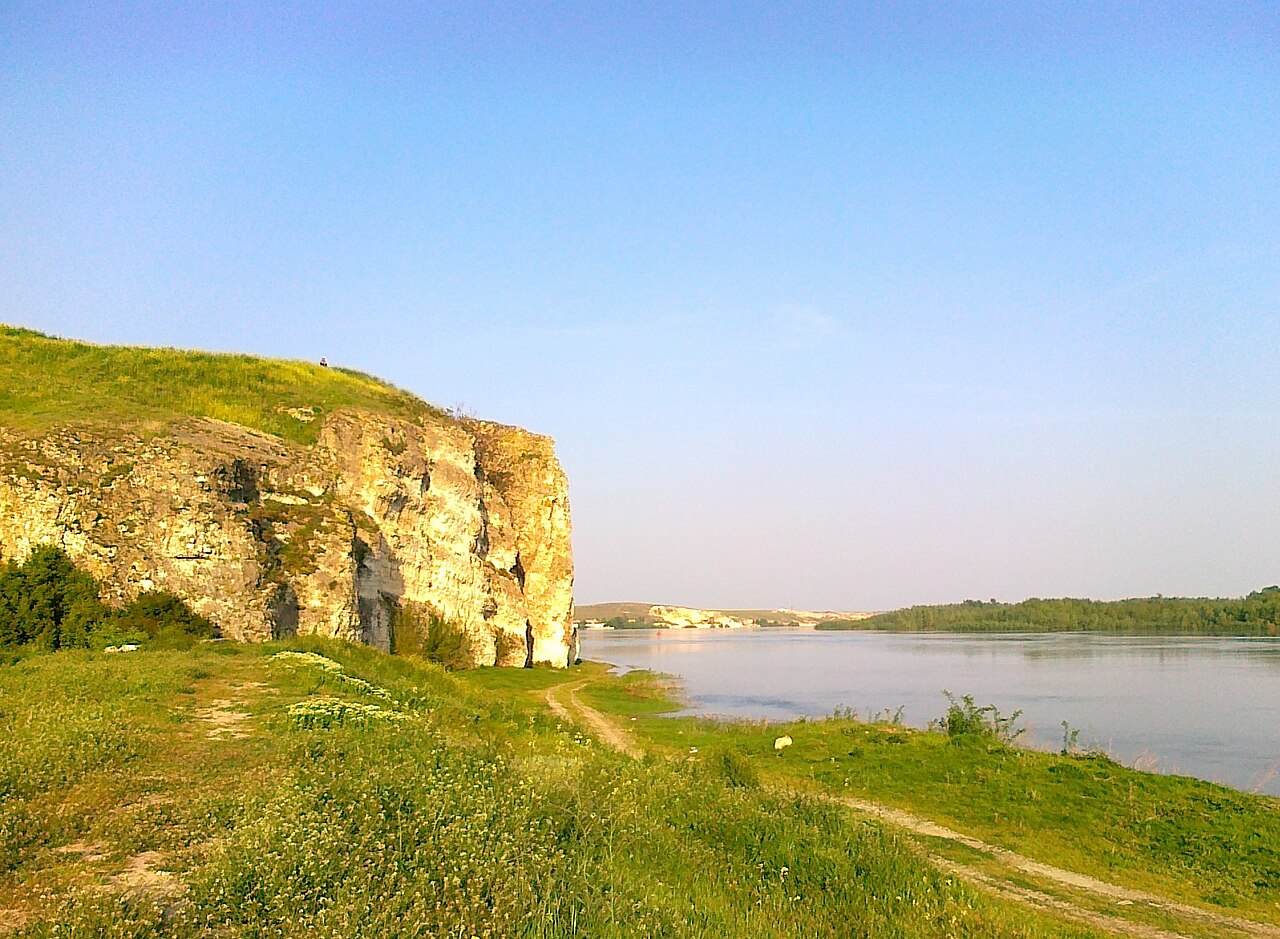
Limestone cliffs above the Danube, a nature reserve.
The Jurassic limestone cliffs at Hârșova are in fact former coral reefs, formed 150 million years ago on the bed of a warm sea. A nature reserve today, the cliffs offer the most spectacular view of the Danube in all of Dobrogea.
The Jurassic reefs form on the bed of the warm sea.
Nature reserve with panoramic terrace over the Danube.
From the database
Places around Hârșova

Map
Landmarks on the map
Pins open the place sheets for Hârșova.
Explore the region
Other towns in Dobruja
Corector de sat
Dacă știi că un fapt de pe pagina asta e greșit, scrie-l. Redacția publică doar după verificare. Nu e chat.
Software rooted in these places
From the region of Hârșova we build four free apps: iShopSync, Gym, iMemory and Daunomania.
See our apps