History
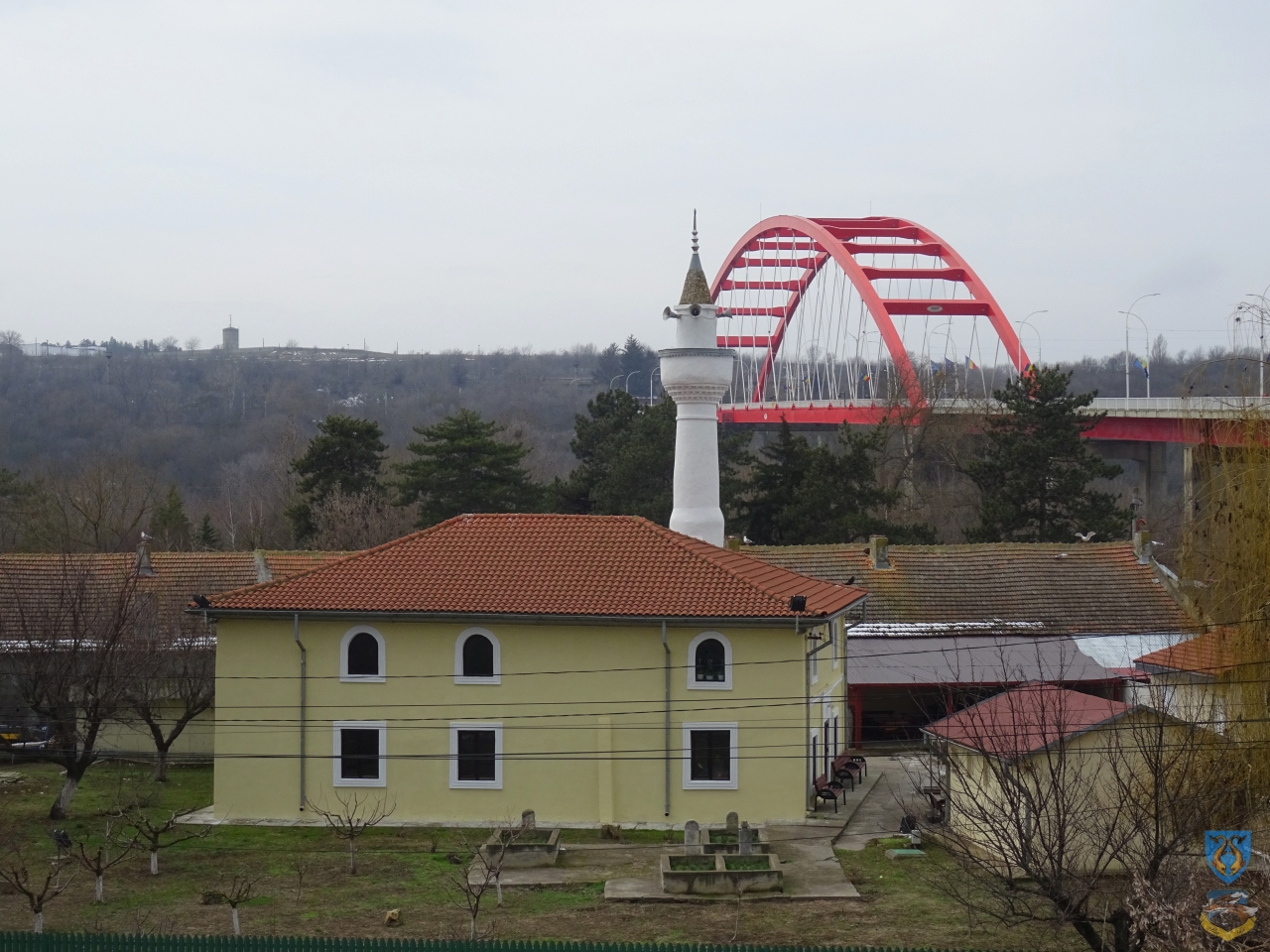
At Cernavodă, on the right bank of the Danube, Axiopolis kept its eyes on traffic and on the ford. The second-century Roman settlement was rebuilt in Byzantine times as well, because the river remained the main road. Today you see ruins and hill terraces, not a reconstructed fortress.
The position explains everything: whoever stood here saw the boats, controlled the ford and kept the link with the road into the interior of Dobrogea. Fragments of wall and pottery are better understood if you also go to the museum in town.
The climb is short, but exposed. Bring water, avoid the cliff edge after rain, and do not mix the visit with the port works below. Afternoon light is the best for photographs toward the Danube.
On the map
The pin marks this site.
Curiosities nearby
01 / 06
Constanța este cel mai vechi oraș locuit continuu de pe teritoriul României: peste 2.500 de ani de la întemeierea Tomisului.
02 / 06
Cazinoul din Constanța a găzduit ruleta doar câteva decenii, dar a fost spital în ambele războaie mondiale.
03 / 06
Farul genovez din Constanța amintește de negustorii Genovei, care în secolul XIII controlau comerțul întregii Mări Negre.
04 / 06
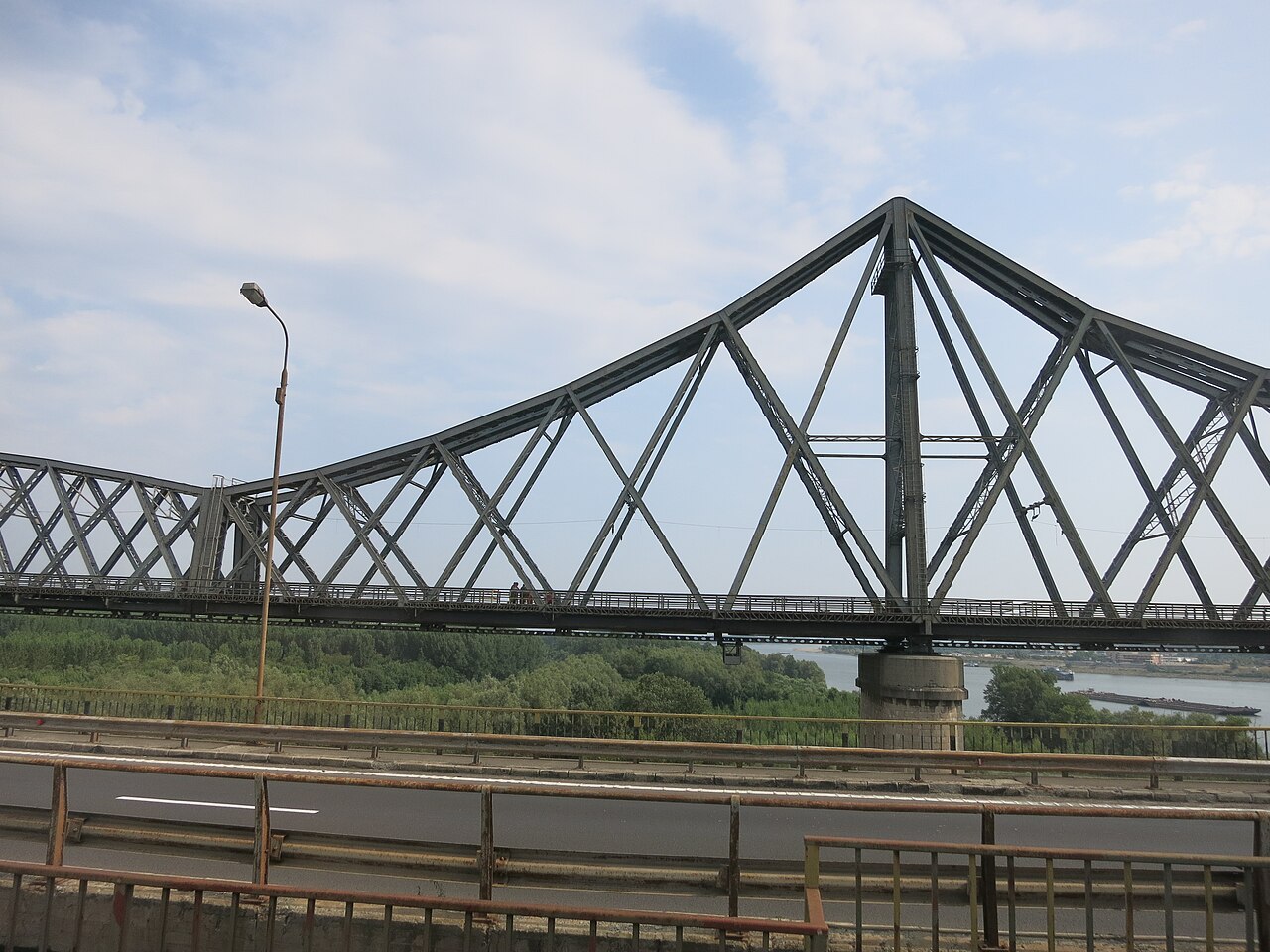
Portul Constanța e cel mai mare port la Marea Neagră și s-a construit după planurile aceluiași Anghel Saligny care a proiectat podul de la Cernavodă.
05 / 06
Granitul din Măcin a pavat Bucureștiul și Constanța: pietrarii italieni din Friuli, așezați în satul Greci, l-au tăiat generații la rând.
06 / 06
„Gânditorul de la Hamangia", descoperit lângă Cernavodă, are circa 7.000 de ani și e considerat una dintre cele mai valoroase 10 piese arheologice ale lumii.
Nearby (25 km)
Community
No approved reviews yet.
No approved comments yet.